Intrinsically safe barriers are pivotal in ensuring safety within hazardous environments where flammable substances are present. These systems help to mitigate risks by preventing sparks or any form of high energy from igniting hazardous materials. In this article, readers will gain valuable insights into the functionality, application, and significance of intrinsically safe barriers. Understanding these aspects will empower stakeholders to enhance safety measures and compliance within their operations.
Let’s delve into why incorporating these barriers can be a game-changer for industries dealing with potential explosion threats.
What are Intrinsically Safe Barriers?
Definition of Intrinsically Safe Barriers
Intrinsically safe barriers are engineered safety mechanisms designed to restrict the electrical energy available in a circuit to a level below that which could ignite flammable gases or dust. Their general characteristics include limiting current and voltage through devices like resistors, capacitors, and diodes, ensuring energy levels are kept within safe thresholds. The primary goal is to make circuits incapable of causing ignition, thus creating an added layer of protection where volatile substances could otherwise react dangerously. By maintaining energy at these low levels, these barriers are suitable for environments such as oil refineries, chemical plants, and grain processing facilities. This technical approach to safety is essential in mitigating risks associated with handling combustible materials.
Component Elements
The primary elements that constitute intrinsically safe barriers include resistors, Zener diodes, and isolation components, which work in tandem to restrict energy flow within predefined limits. These components function as a collective safety net, dissipating energy in harmless forms, such as heat, or isolating circuits to prevent dangerous interactions. Resistors lower current flow, Zener diodes control voltage spikes, and isolators prevent unintended connections, all ensuring the circuit remains safe. Their design allows seamless integration into existing systems without significant alteration, aligning with industry safety requirements and standards. The choice and arrangement of these components are critical to designing systems that reliably prevent ignition in the presence of explosive atmospheres.
How They Work
The working mechanism behind intrinsically safe barriers revolves around the limitation of electrical energy within the system. These barriers restrict the amount of power available, thereby preventing excessive currents or voltages from igniting volatile substances. Key components, such as resistors and Zener diodes, are strategically placed to absorb and dissipate any sudden energy spikes that might occur. This methodology ensures that even if a fault were to occur, the resulting energy would be insufficient to cause a fire or explosion. By controlling these elements, intrinsically safe barriers maintain a safe operating environment, irrespective of the type of equipment used in hazardous settings.
Why Are Intrinsically Safe Barriers Used?
Preventing Hazardous Incidents
Intrinsically safe barriers play a crucial role in preventing hazardous incidents by limiting the probability of ignition in volatile environments. The main function of these barriers is to ensure that electrical and thermal energy never reach levels that could ignite explosive atmospheres. By integrating these systems, industries significantly reduce their risks of fires, explosions, and related occupational hazards. Not only do they safeguard personnel, but they also protect property and equipment from catastrophic failures. This preventive measure is essential for maintaining safety protocols and averting potential liabilities associated with industrial accidents.
Regulatory Compliance
The use of intrinsically safe barriers is often driven by regulatory demands that mandate stringent safety practices in industries where explosive atmospheres may occur. Organizations such as OSHA and ATEX, among others, have established clear criteria for the implementation of these safety systems. Compliance is not just a legal obligation but a crucial aspect of maintaining comprehensive safety standards and avoiding costly penalties. By adhering to these regulations, businesses showcase their commitment to safety and operational excellence, reassuring stakeholders and customers alike. Failure to comply not only poses significant safety risks but can also damage an organization’s reputation and financial standing.
Cost Efficiency
Utilizing intrinsically safe barriers contributes significantly to cost efficiency in operations conducted within hazardous environments. Although the initial investment in these systems might seem substantial, the long-term savings from preventing incidents and reducing insurance premiums can be substantial. Lower maintenance and refurbishment costs directly result from the reduced risk of equipment damage or catastrophic failures. Furthermore, since these systems minimize the likelihood of legal issues arising from safety violations, they contribute to smoother, less disrupted operations. When weighing the potential cost of an industrial accident, investing in intrinsically safe barriers is a financially sound decision for many companies.
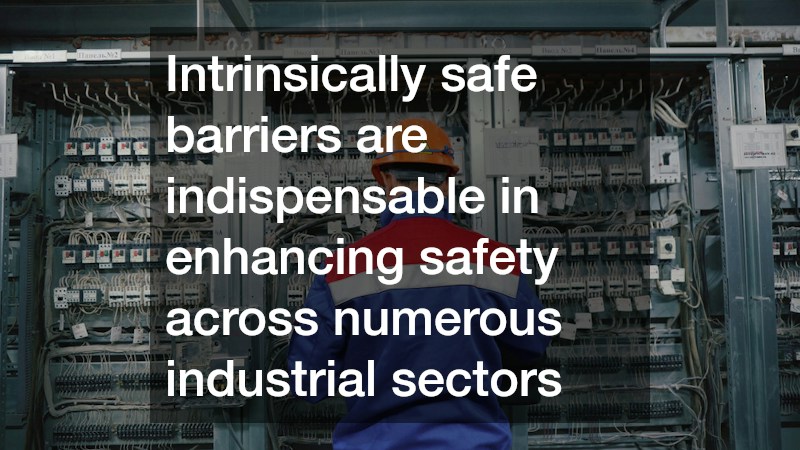
Intrinsically safe barriers are indispensable in enhancing safety across numerous industrial sectors. These systems provide a proactive approach to safeguarding hazardous environments from potential explosions or fires caused by electrical energy. Throughout the article, we’ve explored the mechanisms, applications, and importance of these barriers, underscoring their role in preventing incidents, ensuring regulatory compliance, and preserving equipment integrity. By understanding the challenges and implementations of intrinsically safe barriers, industries can better fortify their operational safety measures and reduce overall risk. Adherence to these practices reaffirms a commitment to maintaining a secure, efficient, and compliant work environment.