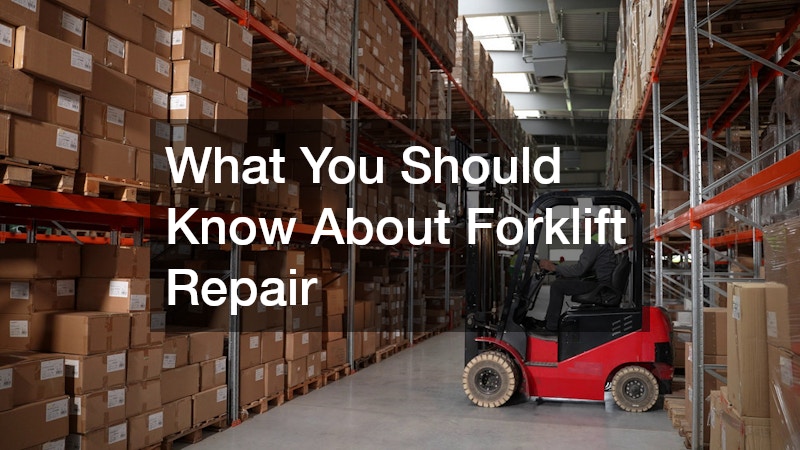
In this article, we will cover essential information regarding forklift repair, a critical aspect for those relying on these machines in various industries. Understanding the nuances of forklift maintenance and repair can enhance safety and operational efficiency.
Forklifts are essential tools in warehouses, construction sites, and various logistics environments. They play a pivotal role in moving heavy materials and goods, aiding in efficient workflow and productivity. However, like any machinery, forklifts can face wear and tear due to their demanding roles.
Implementing a comprehensive repair and maintenance strategy not only prevents unexpected breakdowns but also extends the life of the equipment. This proactive approach ensures that businesses are not hampered by sudden forklift failures, which could lead to costly downtimes. Therefore, understanding common forklift issues and their solutions is crucial for businesses relying on these machines.
1. What Are the Most Common Forklift Repairs?
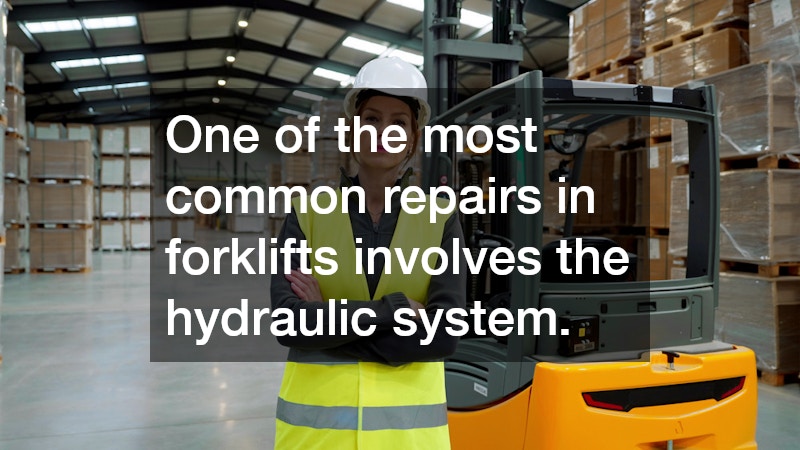
One of the most common repairs in forklifts involves the hydraulic system. Hydraulic issues can manifest as leaks or failures in the lifting mechanism, caused often by worn seals or improper fluid levels. Regular checks of the hydraulic fluid can mitigate these issues, preventing major failures.
Another frequent problem is battery-related. Electric forklifts, in particular, are susceptible to battery issues due to improper charging and routine maintenance neglect. Ensuring that the battery is charged correctly and inspected regularly can prolong its life and avoid costly replacements.
Finally, tire maintenance is a common concern for forklift operators. Overused or improperly inflated tires not only compromise safety but also affect operational efficiency. Regular inspection and maintenance of forklift tires ensure better maneuverability and stability.
2. How Can You Prevent Forklift Issues?
To ensure that your forklift operations run smoothly and effectively over time, it is essential to focus on preventive maintenance. This approach serves as the cornerstone for a long-lasting and efficient forklift operation. By establishing a routine check, you can identify potential issues before they escalate into major problems that could disrupt your operations. Regular inspections should include a detailed check of various critical components such as fluid levels in the hydraulic systems, engine oil, and coolant. Equally important is the inspection of tires to ensure that they are properly inflated and free from damage.
Further, it is crucial to inspect and guarantee the optimal performance of all mechanical components. These components include the forklift’s engine, transmission, and electronic systems. Ensuring that these parts are functioning smoothly will help avert operational hiccups. Furthermore, a scheduled maintenance program emphasizes the early detection and timely replacement of worn-out parts such as lift chains, cables, and brakes. This preemptive strategy not only minimizes the risk of unexpected breakdowns during crucial operations but also contributes to better budget management by circumventing large, unexpected repair costs. By investing time and resources into preventive maintenance, you can save significantly in the long run, ensuring that your forklifts remain reliable and cost-effective instruments in your business operations.
Moreover, operator training plays a pivotal role in preventing forklift issues. Adequately training operators ensures they can not only use the forklifts efficiently but also detect early warning signs of potential problems through daily inspections and knowledge-based usage. Informed and vigilant operators become the first line of defense against mechanical failures, as they can report irregularities before they compound into serious faults.
3. When Should You Hire a Professional Forklift Repair Technician?
There are certain signs that indicate the need for professional intervention in forklift maintenance. Persistent issues like unusual noises, unexplained leaks, or frequent electrical faults are often best tackled by professionals. These experts have the necessary tools and knowledge to diagnose problems accurately and efficiently.
A professional technician can offer a more in-depth examination when routine checks reveal obscure issues that cannot be resolved in-house. They can also perform periodic comprehensive inspections that can uncover hidden problems not visible to the untrained eye. This professional insight is critical in maintaining the overall health and longevity of the forklift.
Furthermore, legal and safety regulations often demand that particular repairs and checks be conducted by certified professionals. Adhering to these regulations not only keeps the equipment compliant but also ensures the safety of operators and the effectiveness of the machine. When complexity surpasses in-house capability, it is prudent to involve the expertise of a professional forklift technician.
Forklift maintenance and repair are integral to successful operations within industries relying heavily on such equipment. By staying informed on common issues and preventive measures, businesses can ensure optimal performance and safety from their forklifts. Proactively engaging professional repair services when needed can also save time and resources.
Understanding when specific technical expertise is necessary can prevent minor issues from escalating into significant repair projects. This knowledge equips businesses with the confidence to manage their forklifts efficiently without risking unnecessary downtimes. As technology progresses, staying updated with the latest repair techniques and practices will remain pivotal in forklift management.
Overall, investing in the proper upkeep of forklifts is a strategic move that builds long-term value and efficiency. It protects the operators, reduces unforeseen repair costs, and enhances the operational lifespan of these hardworking machines. With this approach, forklifts will continue to serve their pivotal role across various sectors effectively.